
How MaxLevels Built Navatech's nAI WhatsApp Safety Copilot for Construction Sites
Navatech, an Abu Dhabi-based construction technology company, partnered with MaxLevels to build a WhatsApp-native AI safety copilot combining computer vision, predictive analytics, and conversational AI. The solution allowed workers to report hazards through their phone cameras and receive instant safety guidance in over 50 languages without requiring a new app, hardware, or additional training. The platform helped cut on-site accidents by 59%, delivered 3x faster hazard detection, and was validated at enterprise scale through a partnership with NEOM.

Built entirely on WhatsApp, the app workers already have, removing the single biggest adoption barrier for site-safety tools
Integrated YOLO computer vision models to detect hazards like damaged equipment and unsafe conditions directly from smartphone photos

Delivered real-time safety guidance and alerts in 50+ languages for genuinely multilingual construction crews

59% reduction in on-site accidents, 3x faster hazard detection, 65% improved team coordination, and NEOM as an enterprise validation partner
At a Glance




Why This Had to Be Built
Construction is one of the most dangerous industries in the world by a wide margin: despite employing only about 7% of the global workforce, it accounts for roughly one in six fatal workplace accidents worldwide. (Source: World Economic Forum, citing ILO data .) That risk compounds on multilingual job sites, the kind common across the UAE and wider GCC region, where safety instructions delivered in only one language simply don’t reach a meaningful share of the workforce in time to matter. Navatech’s bet was that the fix wasn’t a new safety app nobody would download, it was meeting workers inside the one app already open on every phone on site.
The Challenge

Information scattered across inspections, cameras, sensors, spreadsheets, and messaging apps, with no single real-time view of site risk

Hazards were often caught only after manual inspections or incident reports, delaying corrective action

Diverse crews needed safety alerts and guidance delivered instantly in each worker’s own language

Safety documentation and regulatory reporting relied on manual processes, slow and prone to inconsistency

The platform needed to work for a single site and a sprawling multi-site enterprise project without separate builds
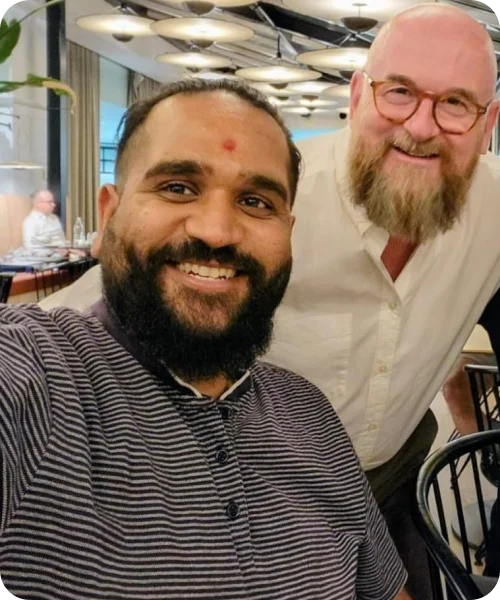

Co-Founder & CEO, Navatech Group

Project with MaxLevels was delivered on schedule with additional resources provided at no extra cost. MaxLevels ensured strong customer success follow-ups and maintained effective communication throughout.
Read More


How a Hazard Report Works
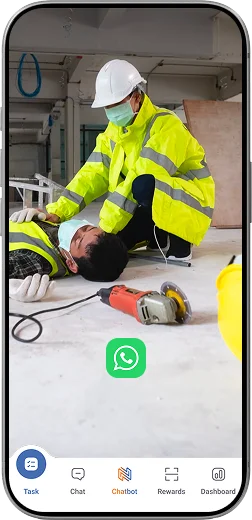
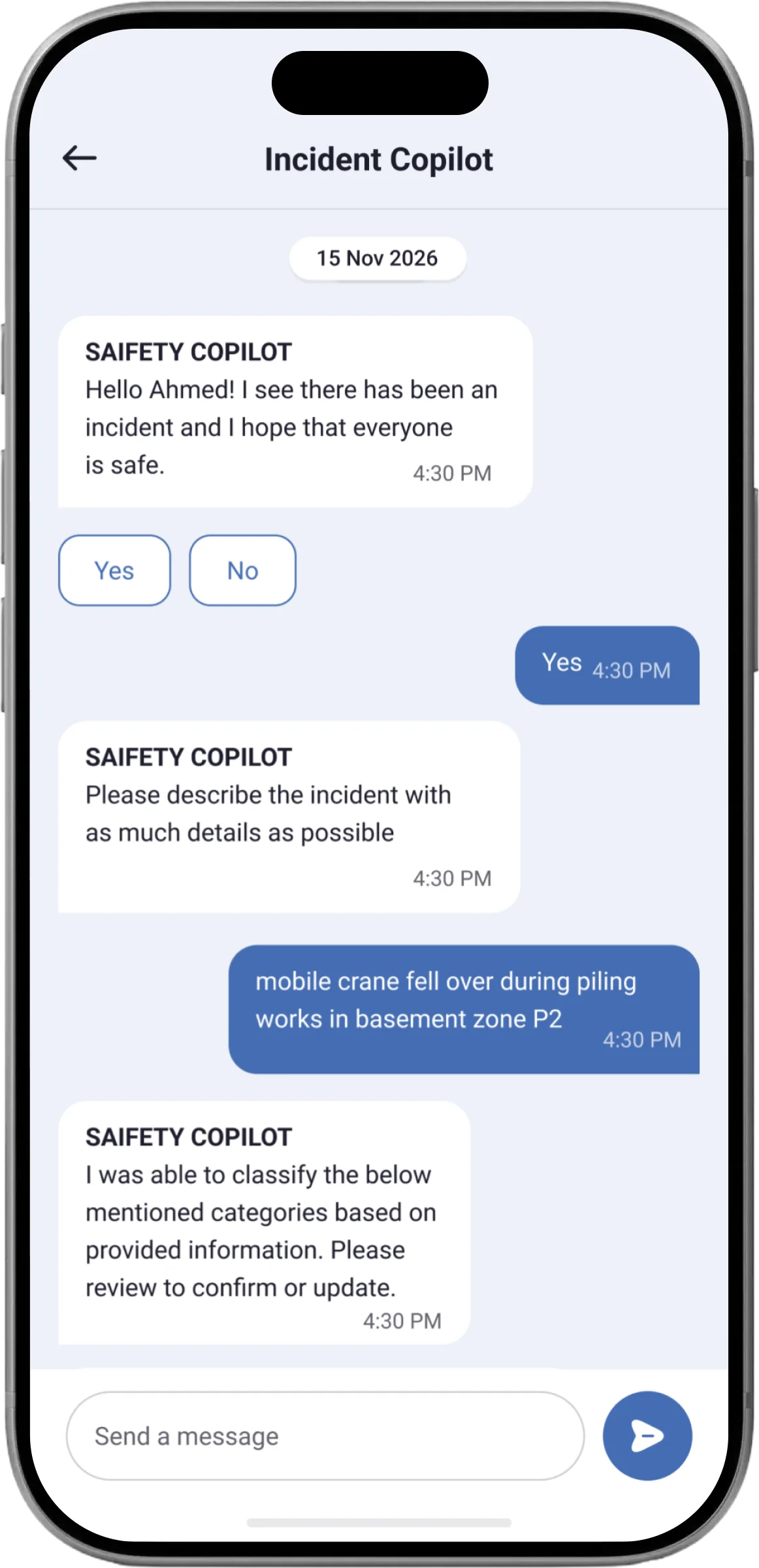
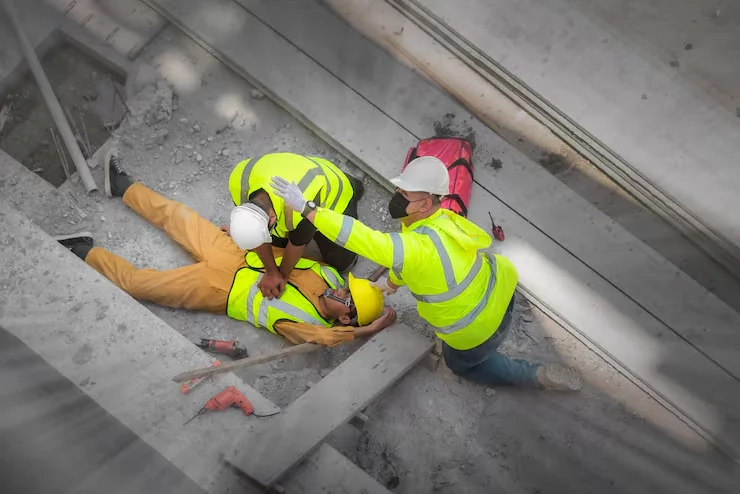
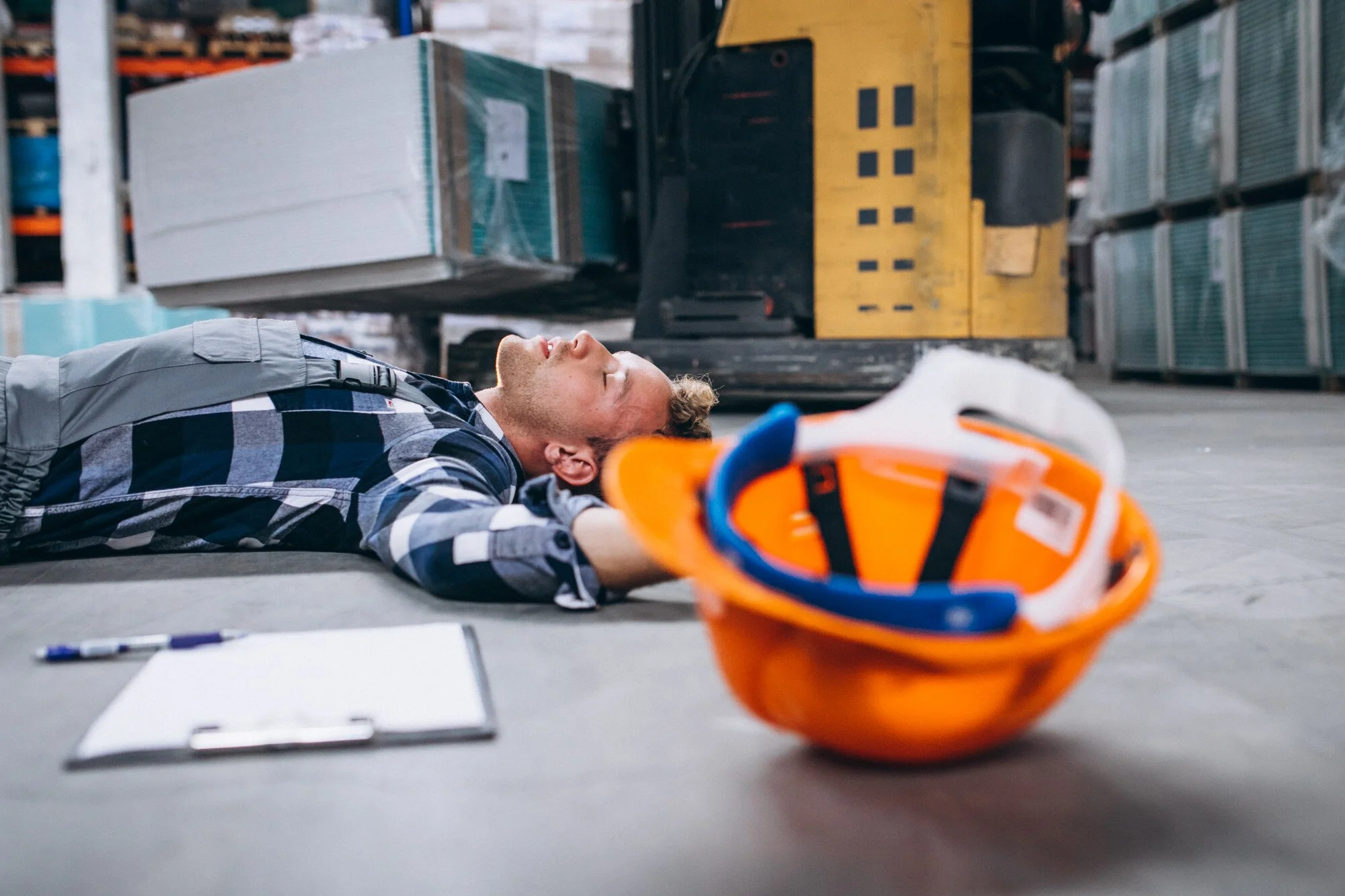
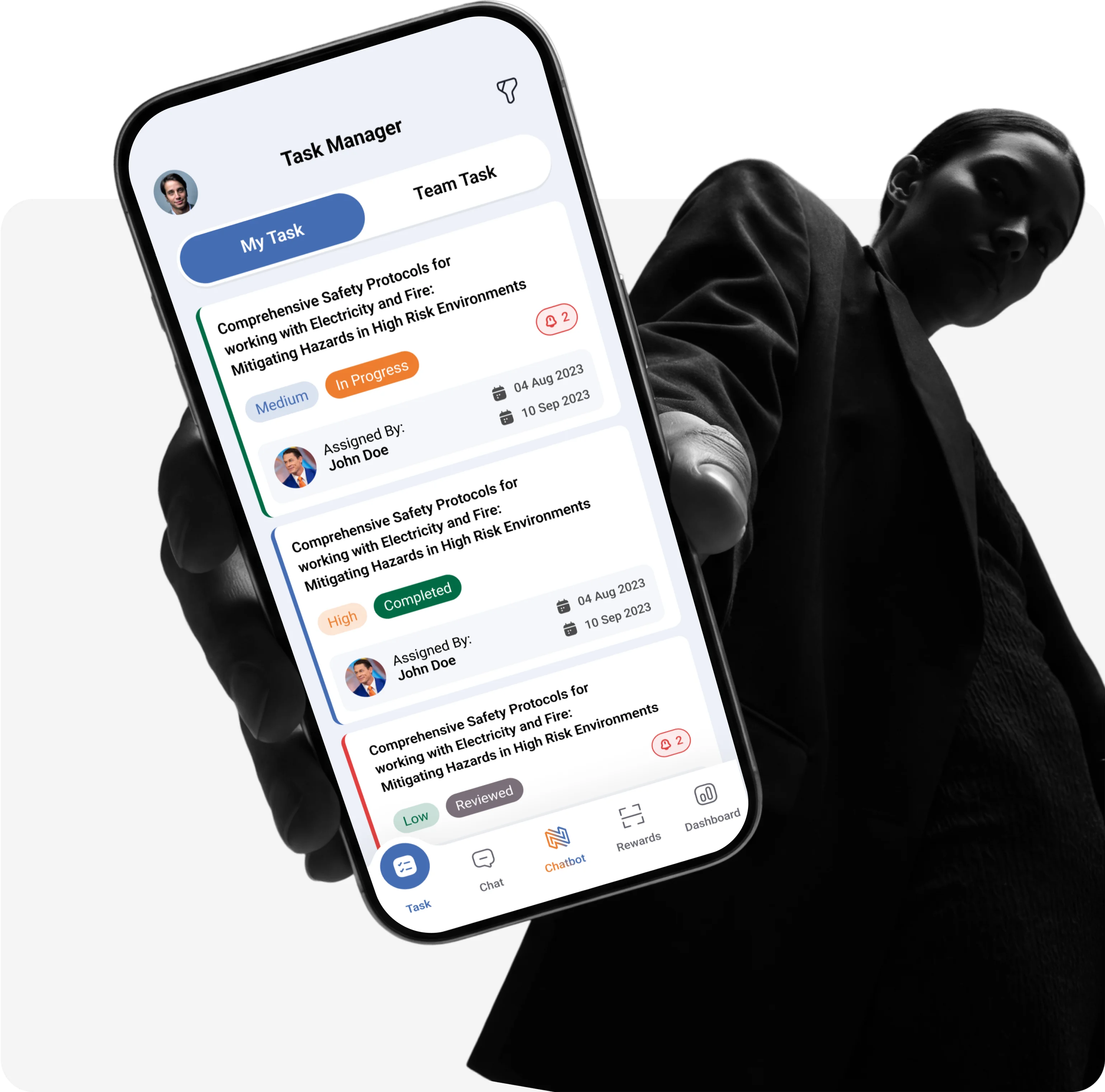
A worker sees something unsafe, damaged equipment, loose debris, an unsafe condition, and takes a photo through WhatsApp, no separate app required.
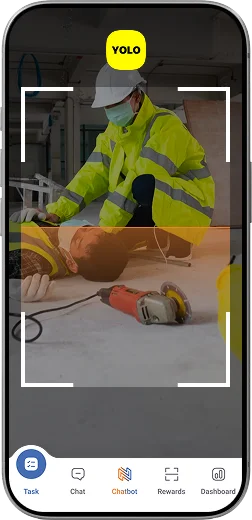
YOLO-based computer vision analyzes the image in real time to identify and classify the hazard.
The worker receives instant safety guidance in their own language, one of 50+ supported, telling them what to do next.
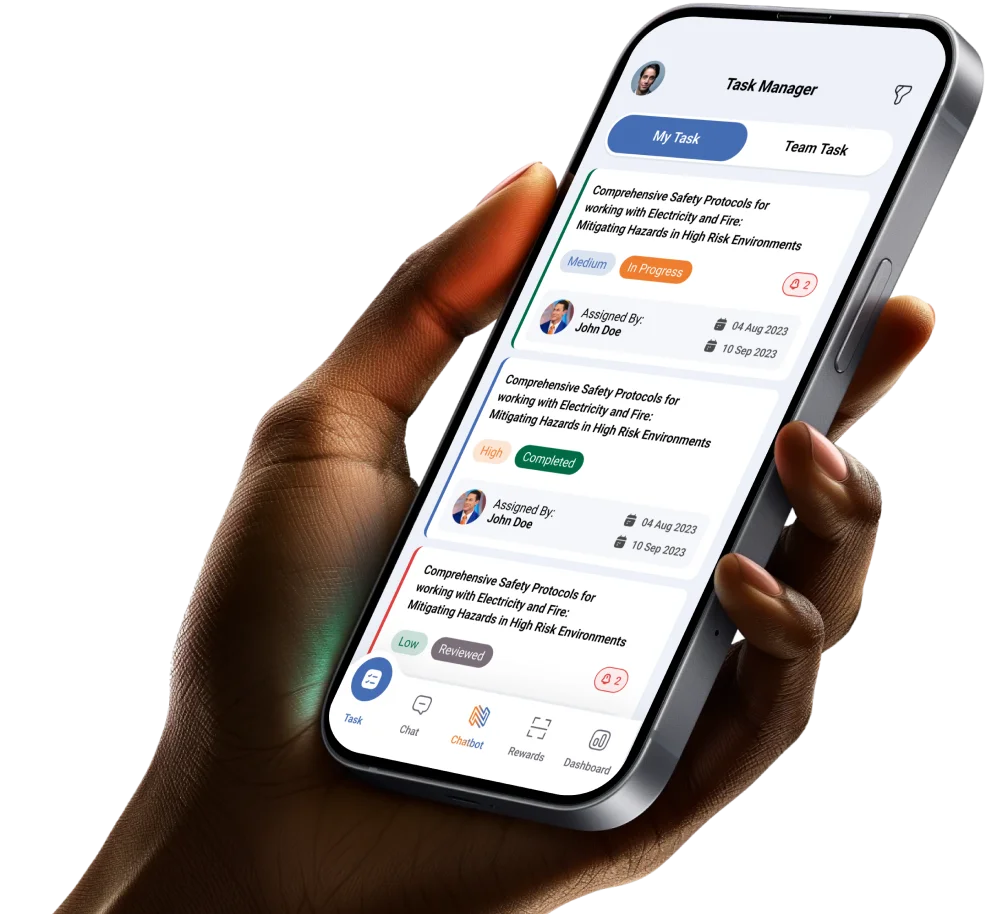
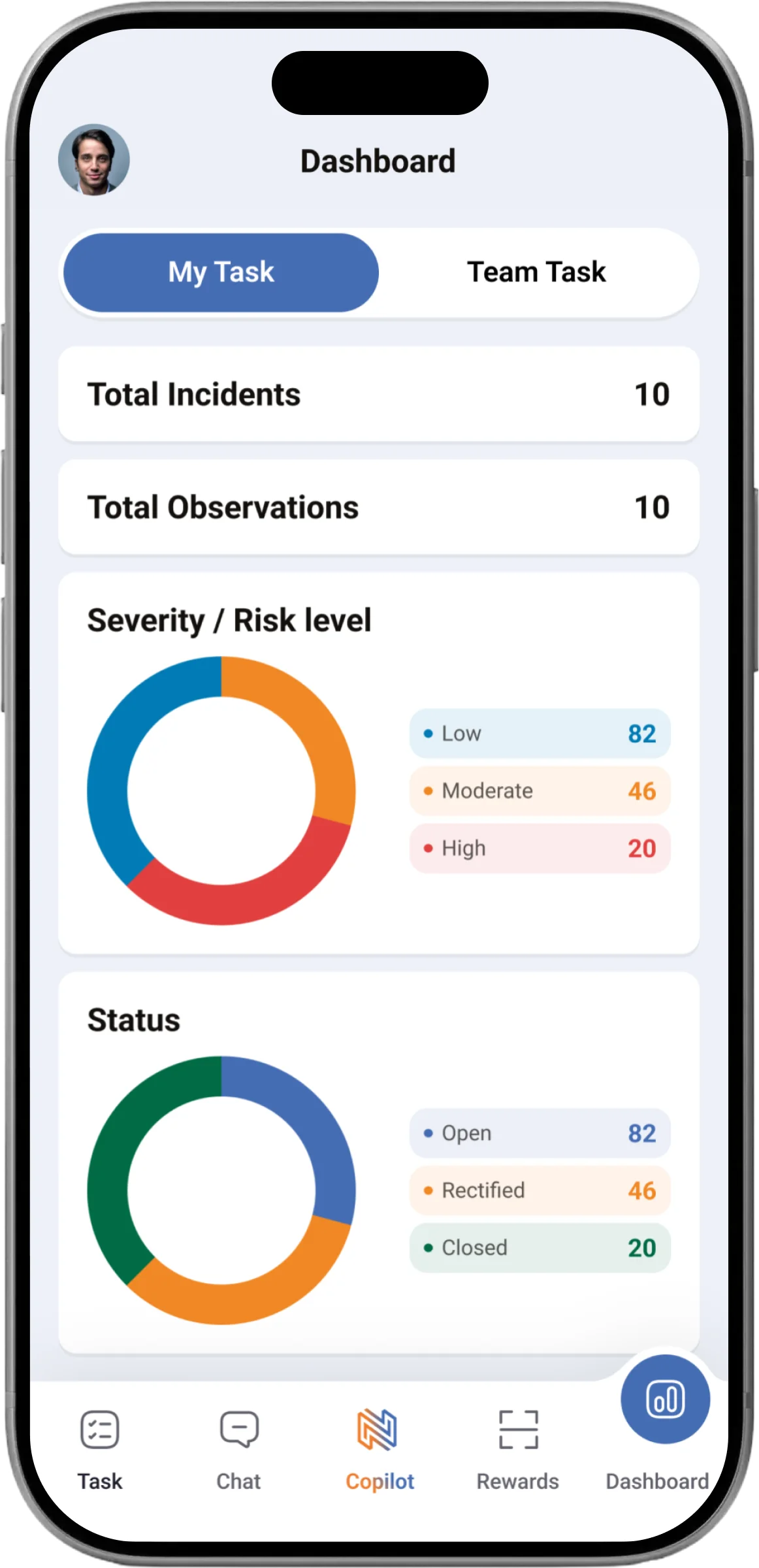
Supervisors and safety managers get real-time visibility into the flagged risk through role-based dashboards, with corrective actions assignable directly from the platform.
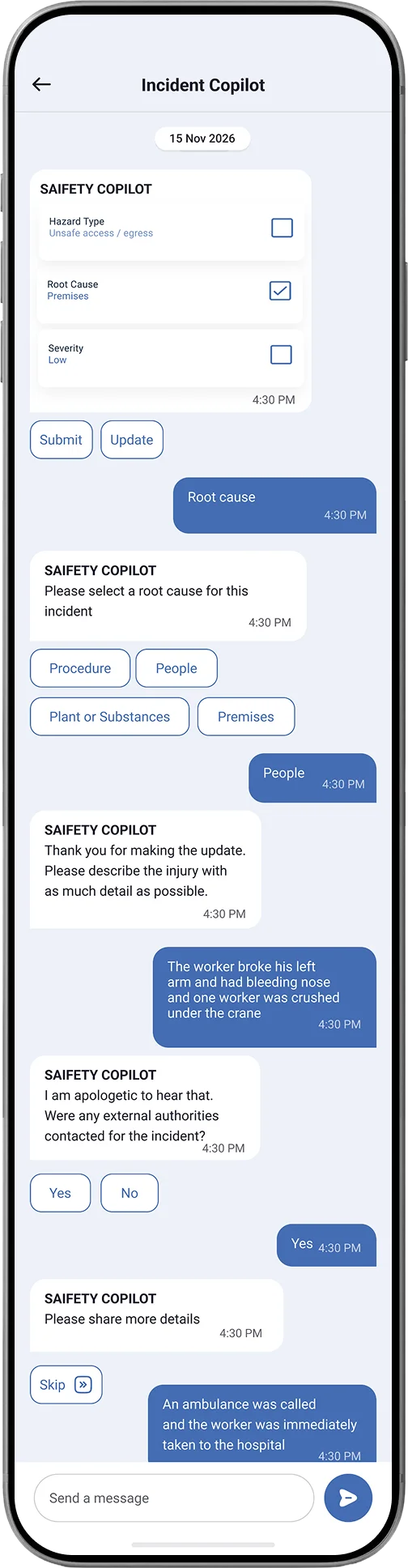
The report, the response, and the resolution are automatically compiled into structured, audit-ready compliance documentation, no manual write-up required afterward.
Machine learning analyzes safety trends across sites over time, surfacing emerging risk patterns before they escalate into actual incidents.
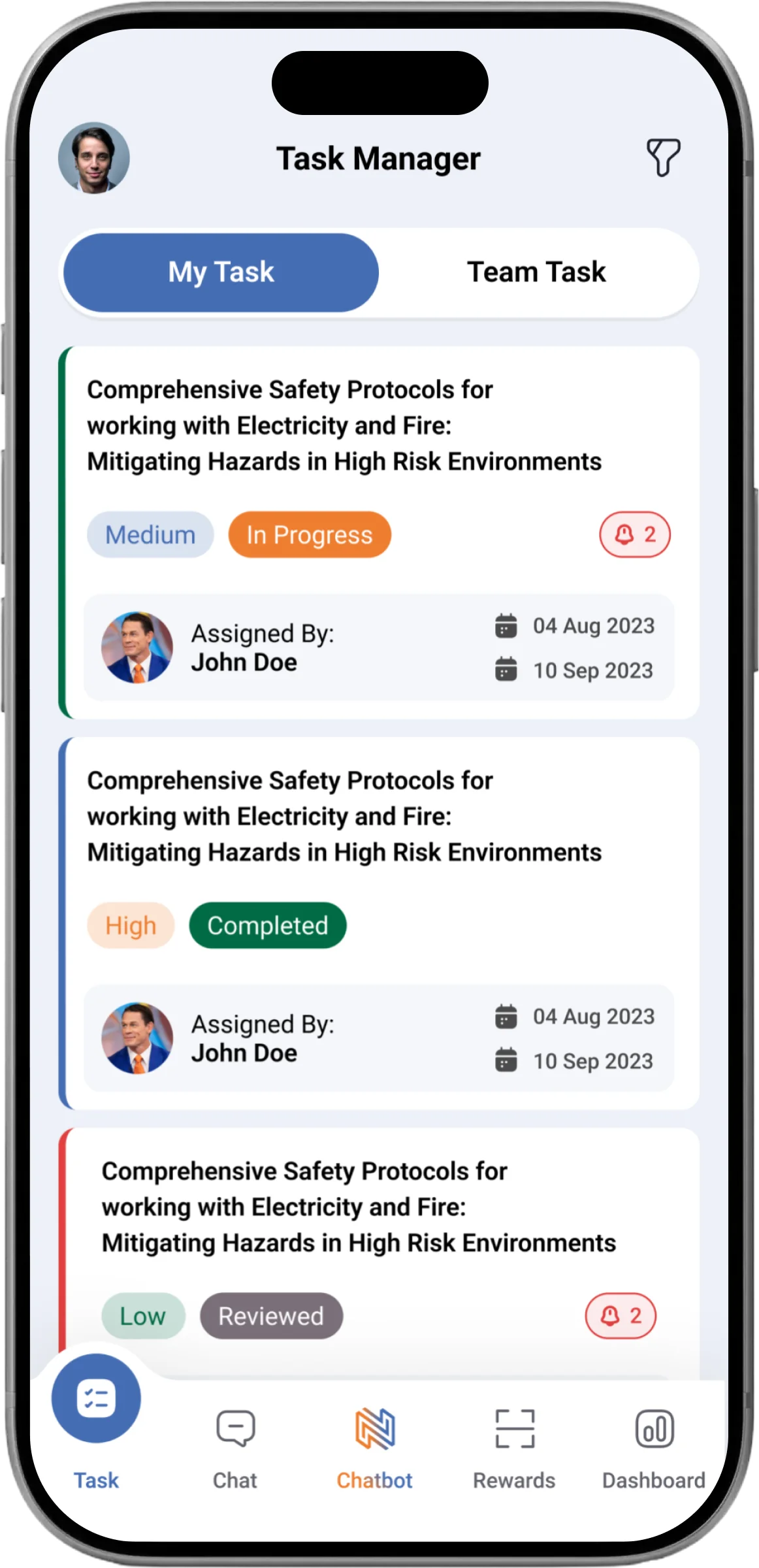


How a Hazard Report Works
Spot and snap
A worker sees something unsafe, damaged equipment, loose debris, an unsafe condition, and takes a photo through WhatsApp, no separate app required.
Detect
YOLO-based computer vision analyzes the image in real time to identify and classify the hazard.
Guide
The worker receives instant safety guidance in their own language, one of 50+ supported, telling them what to do next.
Alert and route
Supervisors and safety managers get real-time visibility into the flagged risk through role-based dashboards, with corrective actions assignable directly from the platform.
Document
The report, the response, and the resolution are automatically compiled into structured, audit-ready compliance documentation, no manual write-up required afterward.
Learn
Machine learning analyzes safety trends across sites over time, surfacing emerging risk patterns before they escalate into actual incidents.
Engineering Decisions Worth Knowing About
A few technical choices are why this platform actually gets used, not just installed

Building on WhatsApp instead of a new app. The single biggest failure mode for site-safety tools is low adoption, workers don’t download a new app, don’t remember their login, and revert to old habits within weeks. Building the copilot natively inside WhatsApp, a platform already open on nearly every worker’s phone across the GCC region, removed that adoption barrier entirely instead of trying to design around it.

YOLO for real-time, on-device-speed hazard detection. Construction hazards need to be flagged fast enough to matter, not processed in a batch job hours later. YOLO’s real-time object detection architecture is built for exactly that speed-versus-accuracy tradeoff, which is what makes a worker’s photo turn into a classified hazard in something close to real time instead of a delayed backend job.


FastAPI and a Python backend for an AI-heavy workload. Much of this platform’s actual work, computer vision inference, multilingual conversational AI, predictive risk analysis, is Python-native machine learning. Building the API layer in FastAPI kept that backend fast and async-capable without forcing a language mismatch between the AI components and the services orchestrating them.

Multi-cloud architecture across Google Cloud and AWS. Large, distributed construction projects, exactly the kind of multi-site enterprise deployments Navatech targets, need infrastructure that doesn’t create a single point of failure or a single vendor dependency. Splitting infrastructure across both platforms is what let the system support growing workforces and distributed sites with genuine high availability.
Built for Compliance, Not Just Speed
Every hazard report, alert, and corrective action automatically becomes part of a structured, audit-ready record, not an afterthought reconstructed at inspection time. That matters on large, regulated projects, and it’s part of why Navatech’s platform has been validated for exactly that kind of scale: NEOM, one of the most complex, multi-site developments in the world, partnered with Navatech for workplace safety, alongside enterprise clients including Acwa Power, JLL, Ferrovial, Atkins Realis, and WSP.
The Results
AI-powered hazard detection and real-time multilingual communication let teams catch and address risks before they became incidents

Computer vision and WhatsApp-based workflows outpaced traditional manual inspection processes
Real-time, multilingual communication reduced delays in responding to on-site safety concerns
First close of a planned $750K seed round, supported by the platform’s demonstrated traction
Manual site inspections vs. Navatech’s AI safety copilot

Hazards often caught only after scheduled inspections
Often requires a new app or device

Real-time detection from a worker’s own phone photo
Runs inside WhatsApp, already on every phone
What’s Next for Navatech’s Platform
Deeper predictive risk intelligence, using accumulating safety data across sites to anticipate emerging risks earlier.
Expanded enterprise integrations, building on existing connections with platforms like Procore.
Continued multilingual and accessibility expansion, extending the platform’s language and literacy barrier-breaking mission further.
Closing the remaining seed round, building on the $750K first close toward the full $3M target.
Frequently Asked Questions
A WhatsApp-native AI safety copilot. YOLO computer vision detects hazards from worker photos, conversational AI returns guidance in 50+ languages, predictive analytics surface risk patterns across sites, and every report becomes audit-ready compliance documentation automatically. It runs on a cloud-native architecture spanning Google Cloud and AWS, with role-based dashboards for supervisors.

Because adoption is where site-safety tools fail, not features. Workers don't download a new app, don't remember the login, and are back to old habits within a month. WhatsApp is already open on nearly every phone on a GCC construction site. Building inside it removed the adoption problem rather than trying to design around it.
A worker photographs something unsafe and sends it through WhatsApp. A YOLO object detection model analyzes the image, identifies and classifies the hazard, and the system returns guidance in that worker's language. YOLO is used specifically because it's built for real-time inference – a hazard flagged three hours later in a batch job isn't a safety system, it's a report.
Through the conversational AI layer, which handles both the incoming report and the outgoing instruction in the worker's own language. This is the part most safety tools skip. On a UAE or wider GCC site, crews often share no common language with the safety manual, which means single-language instructions don't reach a large share of the workforce in time to matter.
No, and Navatech isn't built to. Manual inspections are scheduled and periodic; this catches what happens between them. A supervisor still assigns and verifies corrective actions through the dashboard. What changes is that hazard reporting stops depending on someone happening to walk past at the right moment.
The report, the response and the resolution are compiled into structured records as they happen, not reconstructed before an inspection. On large regulated projects that's the difference between an audit trail and a scramble. It's also why the platform holds up on complex multi-site developments rather than only single sites.
Large distributed construction projects can't have a single point of failure, and enterprise clients on multi-site deployments often can't accept a single vendor dependency either. Splitting infrastructure across both gave genuine high availability across distributed sites and growing workforces.
Nearly all the real work here is Python-native machine learning – computer vision inference, multilingual conversational AI, predictive risk models. FastAPI keeps the API layer fast and async without a language boundary between the AI components and the services orchestrating them. Fewer translation layers, fewer places for latency to accumulate.
NEOM, one of the world's largest and most complex developments, partnered with Navatech for workplace safety. The platform is also used by Acwa Power, JLL, Ferrovial, Atkins Realis and WSP.
MaxLevels is a strategic technology partner that built Navatech’s AI safety copilot end to end, alongside AI platform work across industries including autonomous industrial inspection for Korial, healthcare AI agents for SullyAI, and revenue cycle automation for Arrow.
Ready to build AI that keeps your teams safer?
Talk to Our AI Experts