01
Building from zero
No existing digital infrastructure meant every architectural decision would shape long-term scalability


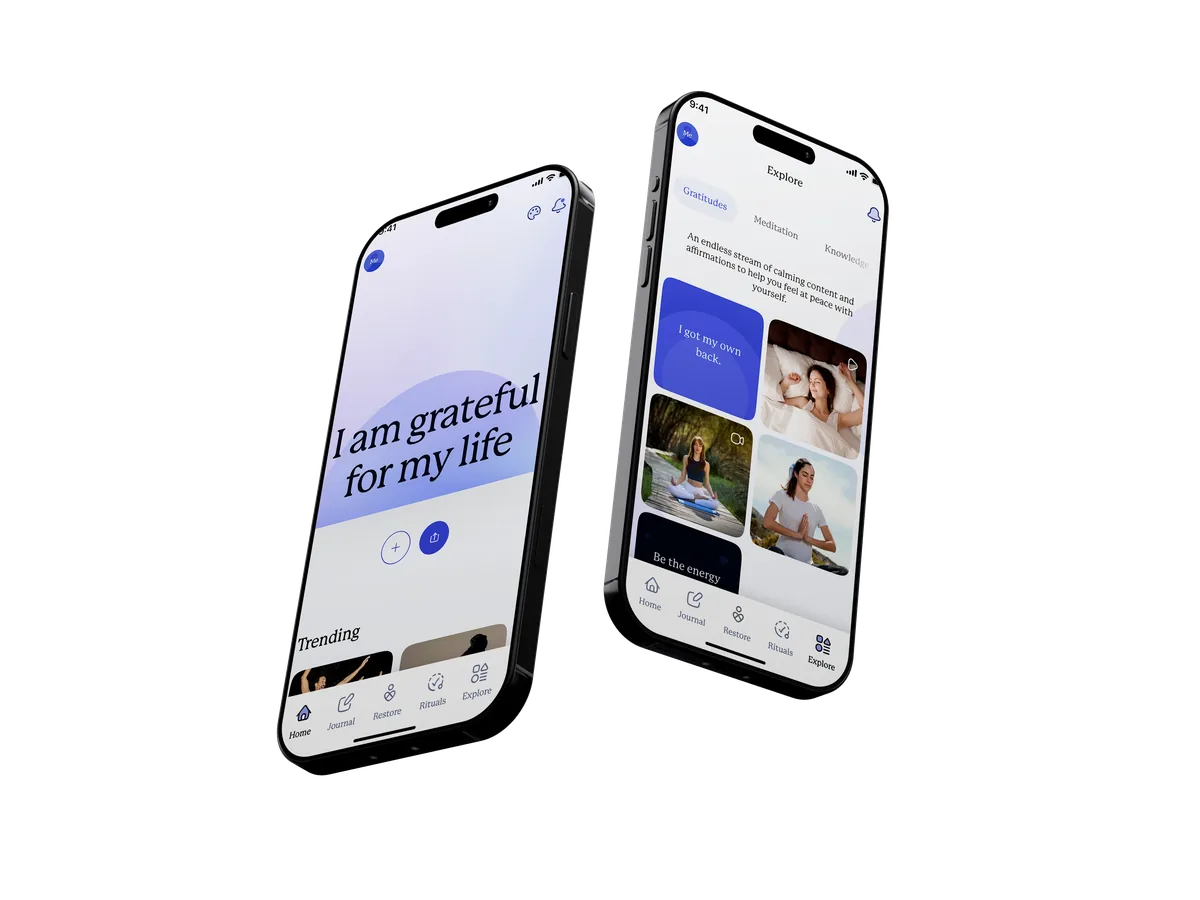
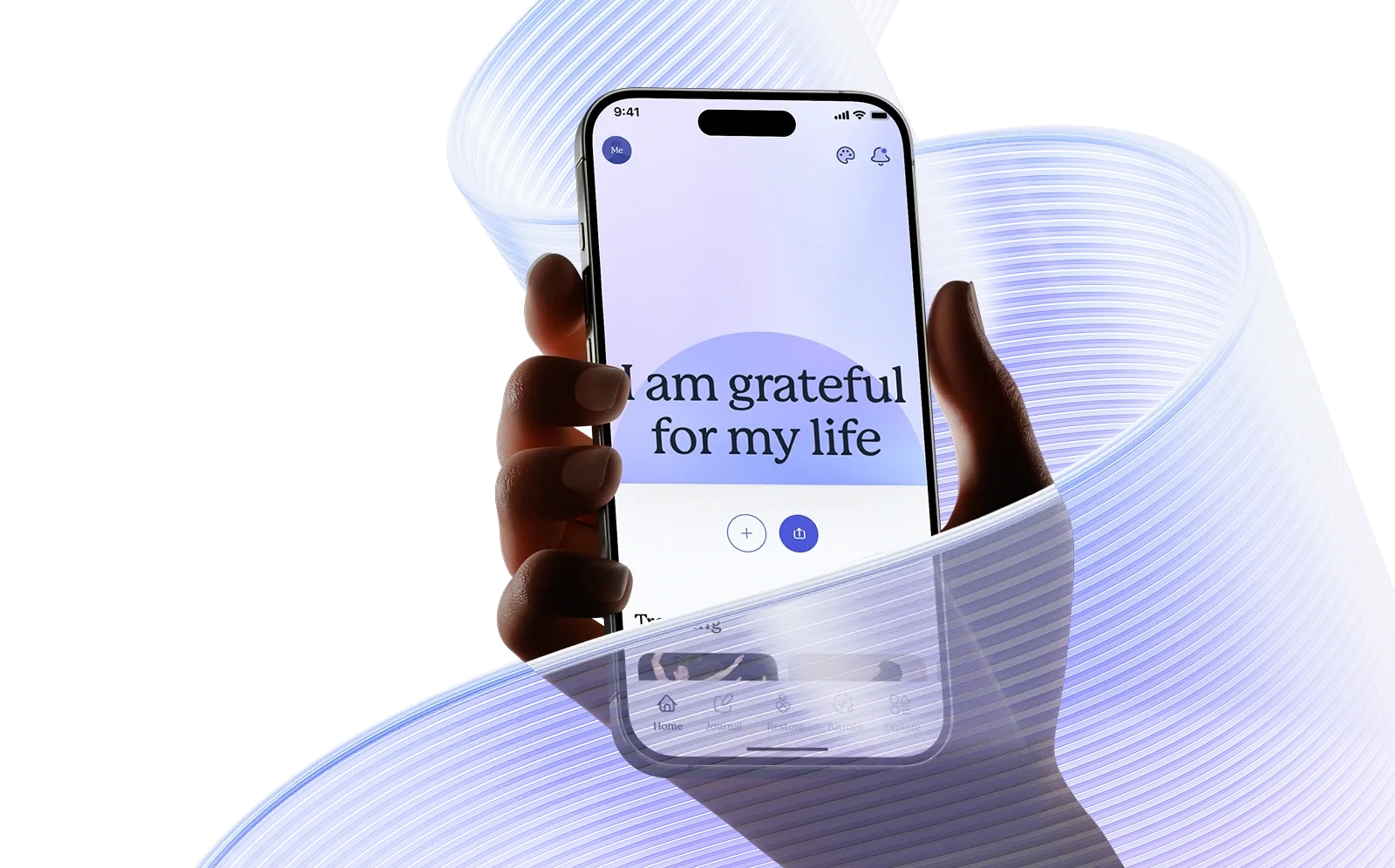
MaxLevels partnered with Shoorah, a UK mental health and wellbeing company co-founded by Lorri Haines and Ferne McCann, to take “well-being for all” from concept to a full digital ecosystem: cross-platform mobile apps, an enterprise administration portal, a white-label API layer, and Shuru, an AI wellness companion available by text and voice. As end-to-end technology partner, MaxLevels covered discovery, UX/UI design, mobile and backend engineering, and AI implementation, built on a compliance-ready architecture from day one. The platform has since reached 25,000+ downloads across iOS and Android, more than 1,000 five-star reviews, and 120,000+ conversations with Shuru.
Key takeaways
Built four connected experiences (consumer app, enterprise admin portal, PEAP expert portal, marketing site) on one backend, not four separate products
Compliance built into the architecture from the start: GDPR, ISO 27001-certified hosting, and clinical confidentiality standards appropriate for sensitive mental health data
Shuru, the AI companion, handles 24/7 multilingual text and voice conversations with end-to-end encryption
25,000+ downloads, 1,000+ five-star reviews, 120,000+ AI conversations, 25+ enterprise clients onboarded, 3x increase in lead generation


£51B
Annual cost of poor mental health to UK employers.
£4.70
Returned for every £1 invested by an employer in mental-health support.
The business case was clear before a line of code was written: mental health support in the UK is expensive to skip and provably worth investing in, but most existing tools solved either the individual side or the enterprise side, rarely both well. Shoorah needed a single platform that could hold a midnight conversation with someone in distress and, in the same system, give an HR manager visibility into wellbeing trends across 500 employees, without either audience feeling like an afterthought.
Shoorah's vision introduced a unique set of product and engineering challenges – from serving two audiences to delivering secure AI support and a foundation ready for future partnerships.
No existing digital infrastructure meant every architectural decision would shape long-term scalability
Individual users seeking calm, judgment-free support and corporate HR teams managing structured programs needed fundamentally different experiences from the same platform
Handling sensitive mental health data meant meeting GDPR, ICO, and clinical standards like BACP without compromising accessibility or trust
Delivering AI-powered support reliably meant maintaining privacy and consistent quality at scale, not just impressive demos
The architecture needed to support future enterprise partnerships and white-label deployments without a rebuild
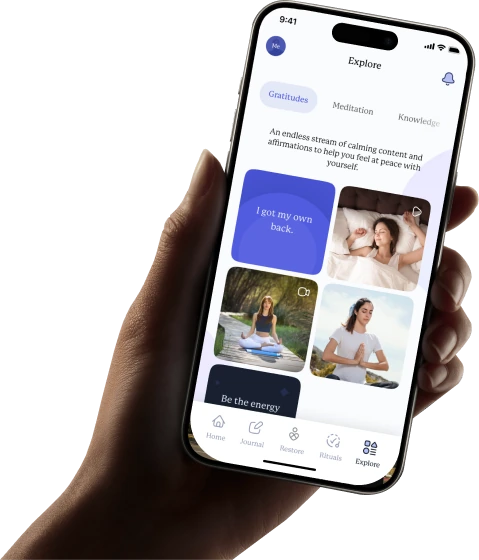
Consumer mobile app (iOS & Android, built in Flutter) Journaling, mood tracking, guided meditation, breathwork, vision boards, self-assessments, Shoorah Kids, and Shuru, the AI companion, all in one cross-platform codebase for faster iteration.
Shuru, the AI wellness companion Available 24/7 through text and voice, in multiple languages, with end-to-end encryption. It’s not a general chatbot wrapped in a wellness skin, it was built from the first prompt to meet the same privacy standard as a real clinical conversation.
Enterprise administration portal Lets organizations onboard employees, manage wellbeing programs, and monitor engagement at scale, the same underlying data model as the consumer app, presented through a completely different interface built for HR workflows.
Content management system Gives Shoorah’s own team the ability to publish meditations, podcasts, and journal prompts without needing an engineer for every content update.
White-label API layer Lets partner organizations embed Shoorah’s wellness capabilities inside their own branded products, part of the revenue model from the start, not an afterthought bolted on later.
Marketing website A conversion-focused site built to turn visits into demo bookings and free trials, directly supporting the 3x increase in lead generation.
A few technical choices are why this platform holds together at the scale it now runs at.

One cross-platform codebase for iOS and Android.

Supporting different user types against a shared underlying data model.
Designed into the architecture from the beginning.
Security/privacy architecture specifically considered for Shuru.
A distressed individual reaching out at midnight and a corporate HR manager evaluating a vendor for 500 employees are both deciding whether to trust the same platform, for completely different reasons. For the individual, trust means the conversation feels private, judgment-free, and secure. For the enterprise buyer, trust means GDPR compliance, ISO 27001-certified hosting, and clinical standards like BACP are verifiable, not just claimed. Shoorah’s own security documentation states both plainly: data encrypted in transit and at rest, anonymized reporting so individual data is never visible to employers, and regular third-party penetration testing, the kind of detail that matters more to a compliance officer than a marketing page usually does.



Shoorah’s founders have a public profile that predates the platform itself, Ferne McCann built a following of millions through UK television before co-founding the company, and that visibility helped the app reach the top 10 of Apple’s global download chart within a day of its public launch. The company has also built a genuine sustainability angle into the product: its partnership with OurForest ties platform usage to real carbon reduction.
Deeper AI personalization, using behavioral insights and wellness assessment history to make Shuru’s recommendations more adaptive over time.
Expanded enterprise capabilities, including deeper role-based governance and white-label distribution for partner organizations.
Broader clinical and health integrations, extending beyond mental wellness into the wider health assessment and at-home testing capabilities now live on the platform.
Continued accessibility and language expansion, building on Shuru’s existing multilingual support.
No. Shuru, the AI companion, provides 24/7 self-help support: guided reflection, mood check-ins, and conversational support in multiple languages. It does not diagnose, prescribe, or deliver treatment. Shoorah's PEAP (Premium Employee Assistance Program) connects users directly with licensed therapists, doctors, and life coaches, and the platform routes users to professional care rather than attempting to substitute for it. This boundary was a design constraint from the first architecture session, not a disclaimer added afterwards.
Scope first, model second. Shuru is deliberately bounded to self-help: reflection prompts, mood check-ins, and conversational support. Anything that reads as crisis, diagnosis, or treatment is routed to Shoorah's network of licensed professionals instead. Around that sit end-to-end encryption, conversation data that is never used for advertising or profiling, and a privacy review of every prompt and response path before it ships.
One backend, one data model, two interfaces. Individuals get a calm, private app. HR teams get a separate administration portal with role-based access and aggregated, anonymized reporting: they can see engagement trends across a workforce, never a named person's entries or conversations. Because both sit on the same data model, a capability built once serves both audiences.
GDPR and the UK Data Protection Act 2018 are the baseline. Shoorah also runs on ISO 27001-certified hosting, follows ICO guidance for sensitive personal data, aligns its architecture with SOC 2 Type 2 controls, and respects clinical confidentiality standards such as BACP wherever practitioners are involved. Third-party penetration testing runs on a regular schedule rather than as a one-off.
Yes, provided the API layer is designed for it up front. Shoorah's white-label layer lets a partner embed wellness capabilities such as journaling, meditation, assessments and Shuru inside their own branded product, with their own theming and a clean tenant boundary. Retrofitting multi-tenancy into a single-tenant app later usually means a rebuild, which is why it was part of the first architecture.
Feature parity and iteration speed. Shoorah ships journaling, mood tracking, meditation, breathwork, vision boards, self-assessments, a children's experience and an AI companion. Maintaining two native codebases across that surface area doubles the cost of every change. Flutter keeps a single codebase for iOS and Android while still delivering the animation and audio performance the experience depends on.
A first production release at this scope typically takes six to nine months, with discovery and architecture accounting for the first four to six weeks. Shoorah itself has been an ongoing partnership: the enterprise portal, the white-label layer and Shuru were delivered as later phases on the same foundation rather than crammed into one launch.
Four things, roughly in order of weight: how many distinct user types you support, the compliance bar you have to clear, whether AI is a thin wrapper or a purpose-built component, and how much of the architecture is designed for reuse. Building for two audiences and a white-label layer costs more in year one and considerably less across three.
The client does. MaxLevels works as a technology partner, so source code, infrastructure accounts, models and intellectual property belong to the client from day one, with documentation and handover treated as part of the engagement rather than an extra.
Work across healthcare spans clinical workflow tools, patient engagement apps, remote monitoring platforms and AI-assisted triage and documentation, built to the same compliance-first standard as Shoorah and adapted to GDPR, HIPAA or local regimes depending on the market.
From AI-powered applications to enterprise platforms, we can help turn your product vision into a scalable digital experience.
Start Your Project